
Area Spotlight: Abingdon Road & Its Historic Neighbours — Timeless London Living in the Heart of W8
Following on from our spotlight on Stratford Village, we take a further look around Abingdon Road and its neighbours, exploring some of the adjoining addresses that share, and amplify, its appeal. Abingdon Villas, Scarsdale Villas, Allen Street, Inkerman Terrace and Cope Place - all sit in this graceful network of 19th‑century streets that have long symbolised the best of the Royal Borough.
This area exudes quiet privilege and distinguished architecture and benefits from effortless access to London’s finest parks, shops and cultural landmarks.
Abingdon Road — Classical Charm & Enduring Demand
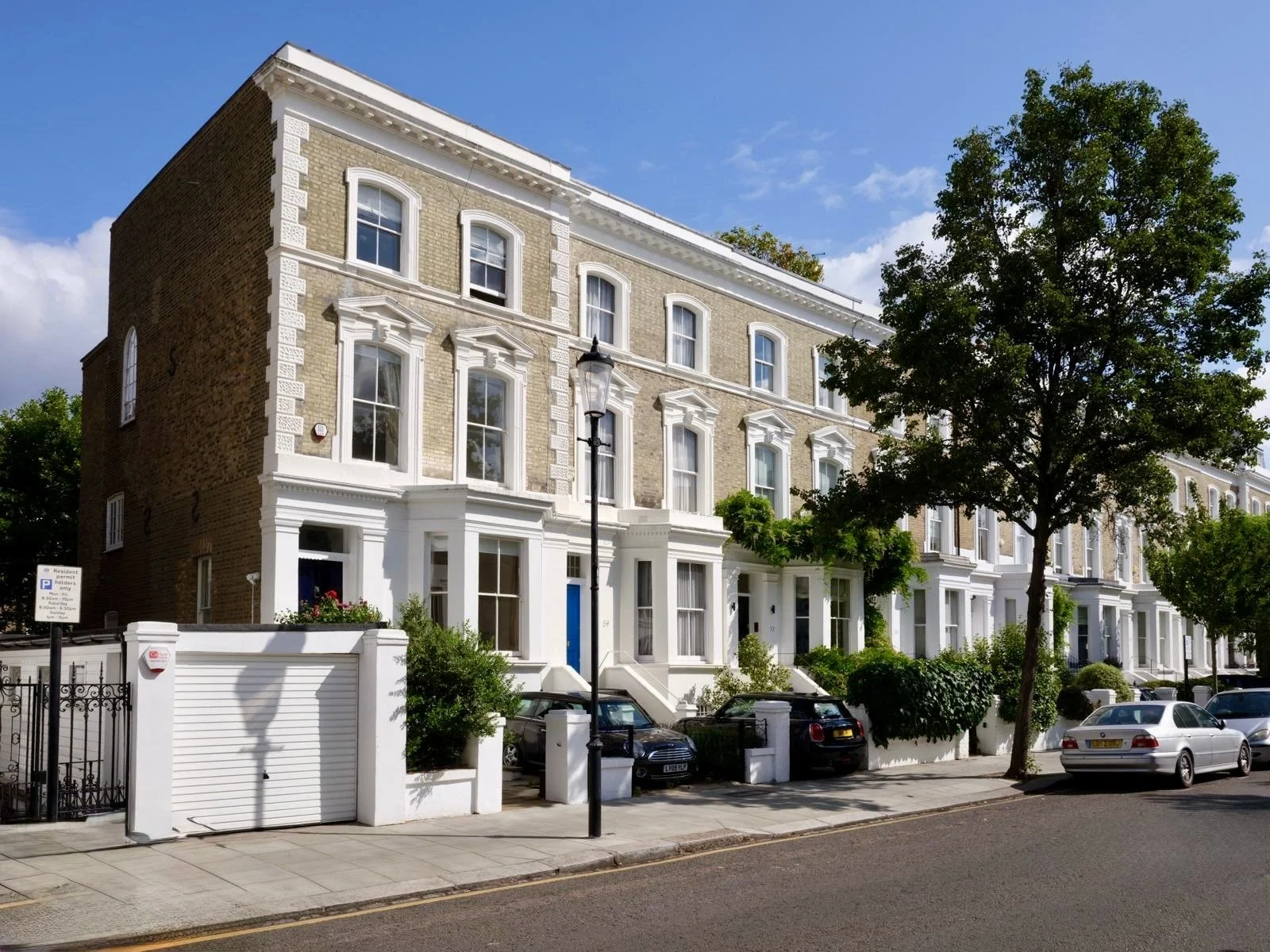
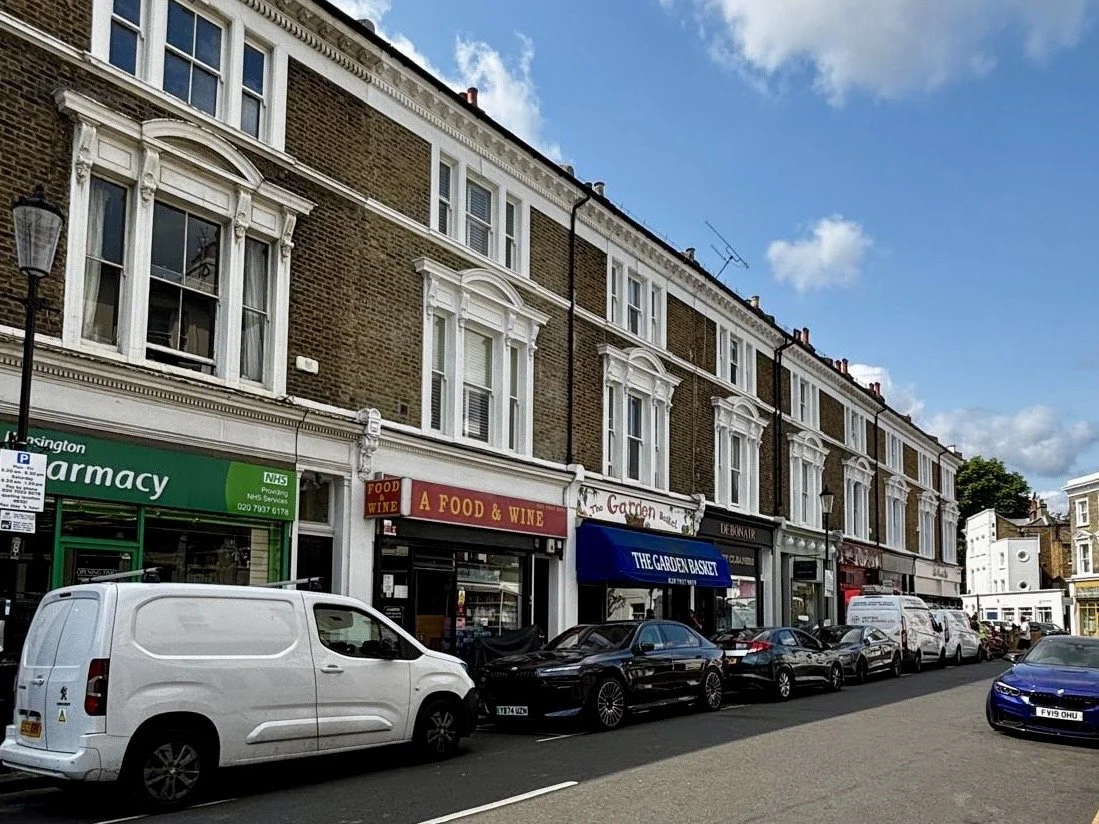
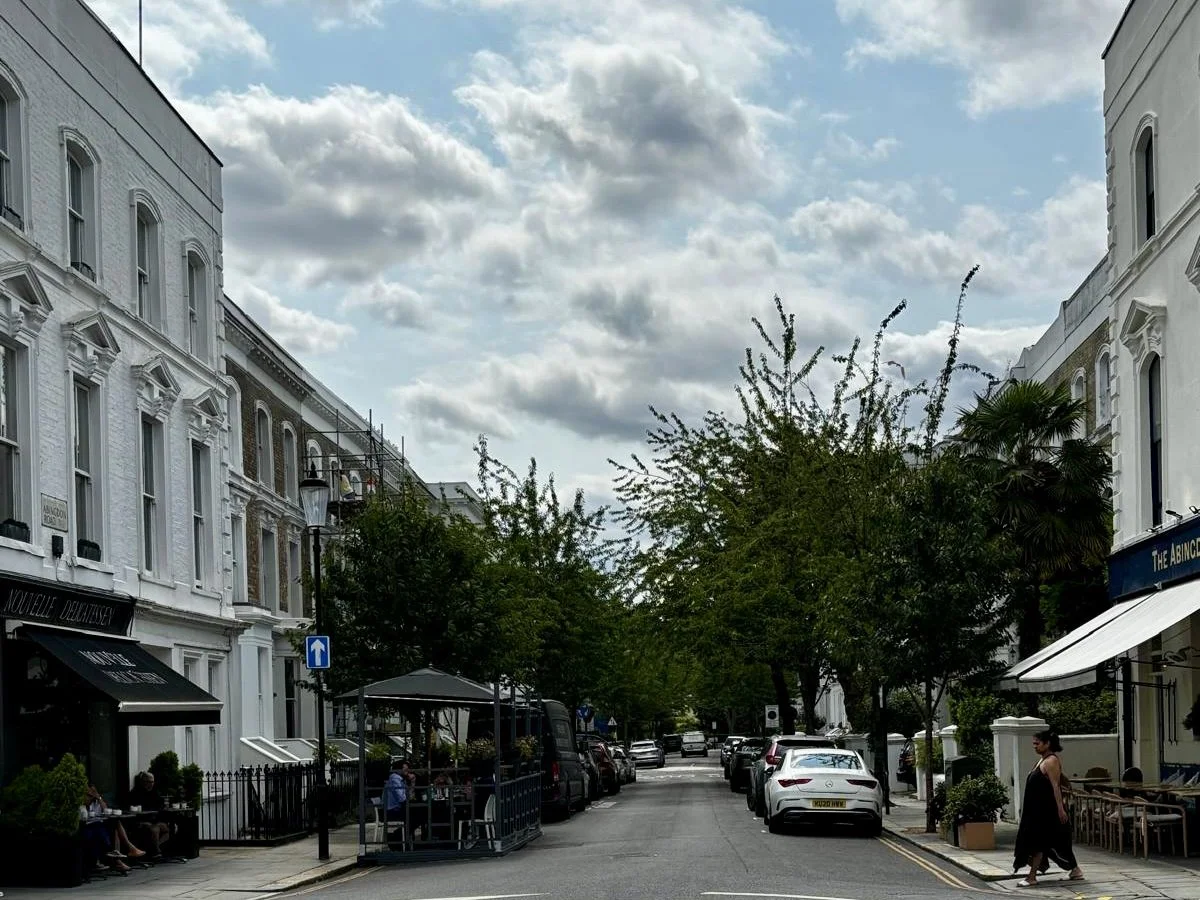
Laid out after the 1851 Great Exhibition and named for the Earl of Abingdon, the road is lined with handsome Victorian terraces featuring stuccoed ground floors, tall sash windows and decorative cornicing. Conservation status protects these details, meaning the street’s architectural integrity—and its long‑term value—remain intact. Residents enjoy a “village” tranquillity only a three‑minute walk from the retail energy of Kensington High Street.
Highlights on the doorstep include Michelin‑starred Kitchen W8, The Abingdon gastropub and leafy Holland Park, while fast Circle & District line links from High Street Kensington station make commuting effortless.
Abingdon Villas — Wide Avenues & Grand Proportions
Running west–east between Earl’s Court Road and Marloes Road, Abingdon Villas was developed in stages from 1852 to 1864 and quickly became known for its generous plot widths and refined stucco façades. Two Edwardian mansion blocks—Abingdon Court (1901‑03) and Abingdon Gardens (1904)—add later grandeur without upsetting the early Victorian rhythm. The artist Joseph Austin Benwell and sculptor Matthew Noble both lived here in the 1870s, a hint of the street’s long artistic pedigree.
With both garden‑flat patios and full‑width first‑floor drawing rooms, the street suits buyers seeking classic proportions and leafy outlooks while remaining seconds from Whole Foods Market and cinema complexes on the High Street.


Scarsdale Villas — Artist Enclaves & Stucco Elegance
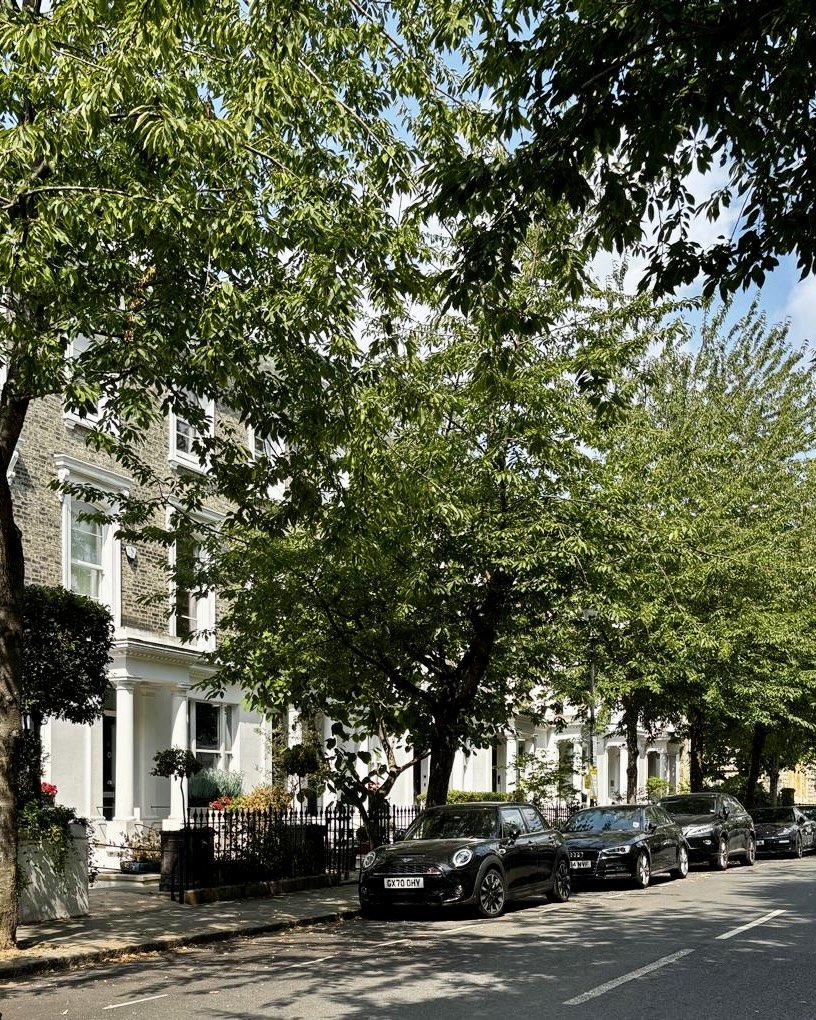
Parallel to Abingdon Villas, Scarsdale Villas was built between 1850 and 1864 and still showcases continuous stucco terraces punctuated by elaborate first‑floor window pediments—an eye‑catching Classical flourish typical of mid‑Victorian Kensington.
Notable past residents include Pre‑Raphaelite painter John William Waterhouse (Nos. 1 & 11) and architect Frank Chesterton. Today the street’s low traffic, mature trees and proximity to St Barnabas & St Philip’s primary school make it especially popular with young families.
Allen Street — From Breweries to Boutique Living
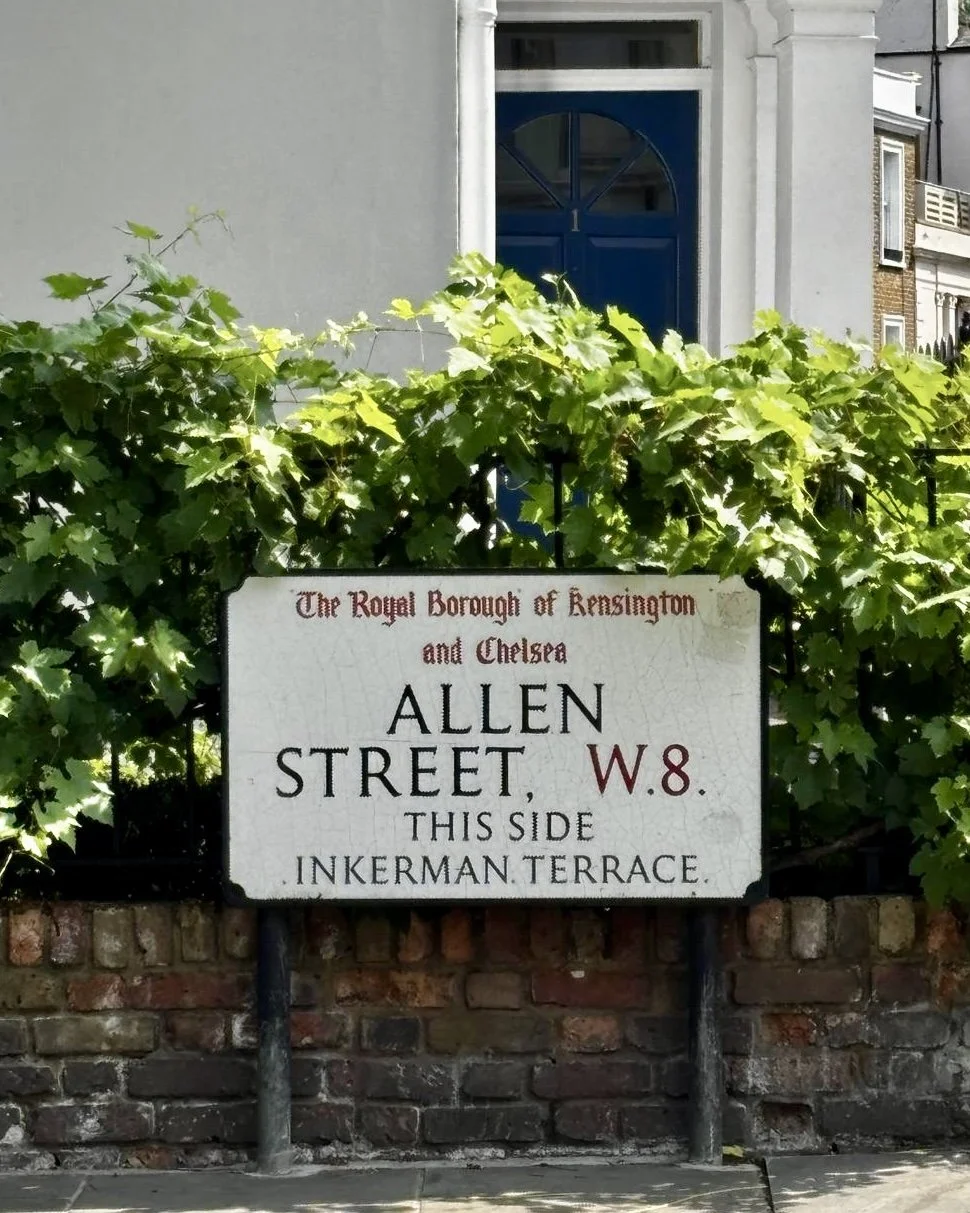
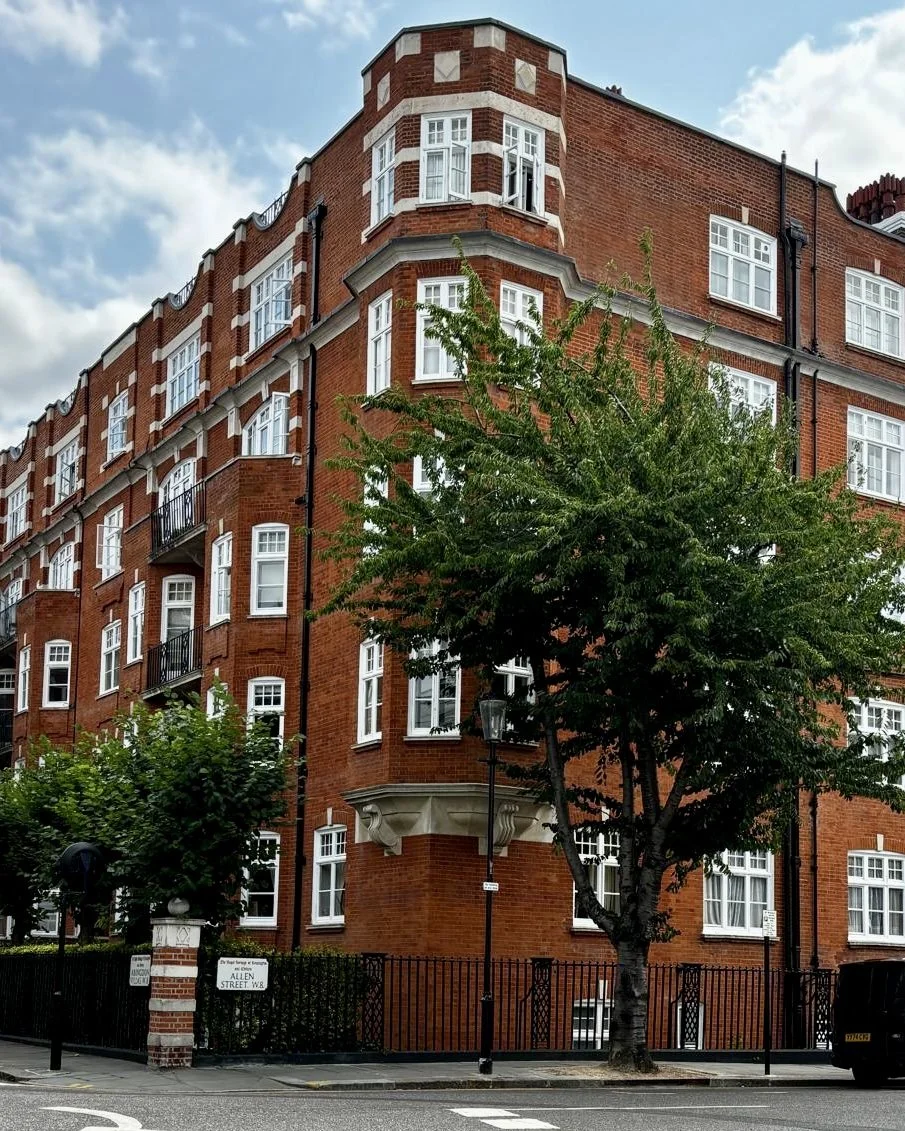
Once a cul‑de‑sac dominated by the 1830s Britannia Brewery, Allen Street evolved dramatically after 1852, sprouting elegant terraces at its north end and mansion flats at its south. The standout landmark is Allen House, an Edwardian red‑brick block recently re‑imagined into 45 luxury apartments with concierge, gym and landscaped garden—proof that historic fabric and modern amenity can co‑exist seamlessly.
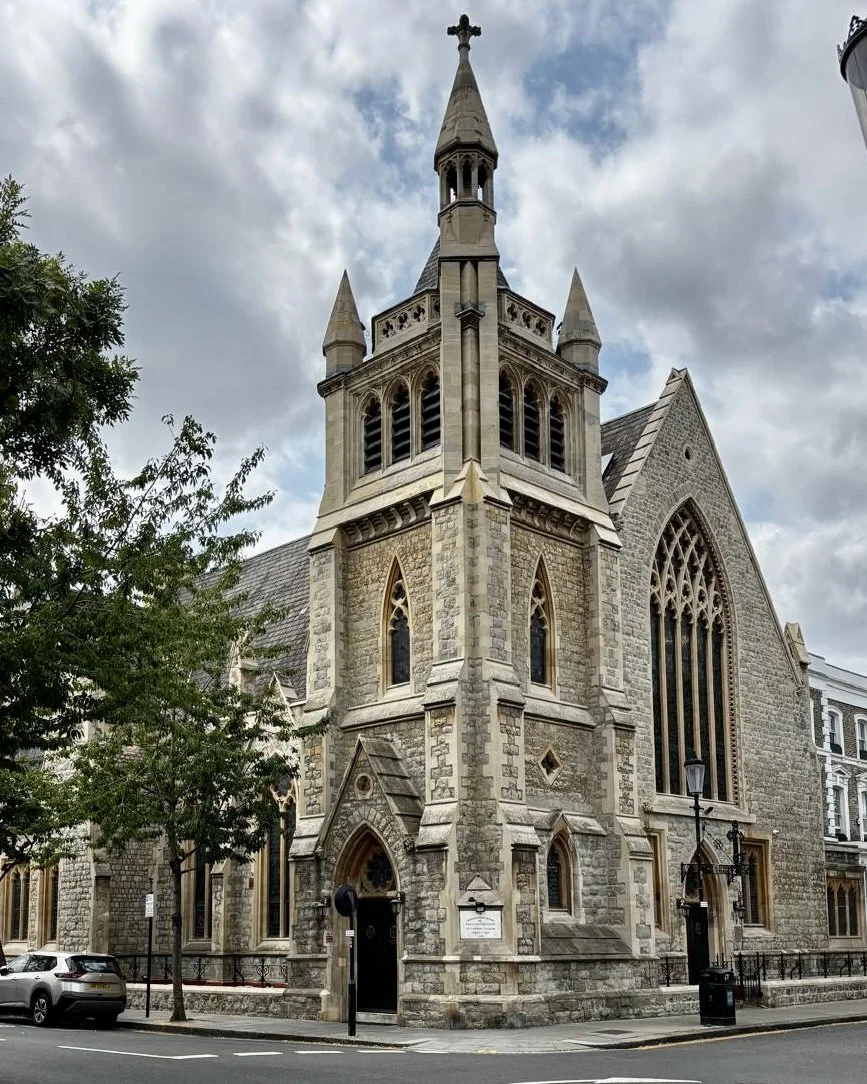
Allen Street links directly to Kensington High Street, yet retained enough serenity to host cultural gems like St Mark’s Coptic Orthodox Church at its junction with Scarsdale Villas.
Inkerman Terrace — The Hidden Crescent
Tucked just off Allen Street, Inkerman Terrace is a petite run of 13 Victorian houses, prized for their south‑west orientation and near‑instant access to High Street Kensington Tube (roughly 500 yards). Recent sales have exceeded £6 million, underlining the terrace’s cachet and the scarcity of freehold homes this close to the high street.
Being moments from St Mark’s and within a short walk of elite preparatory schools gives Inkerman Terrace a community feel rare in Prime Central London.
Cope Place - a charming and often overlooked corner of w8
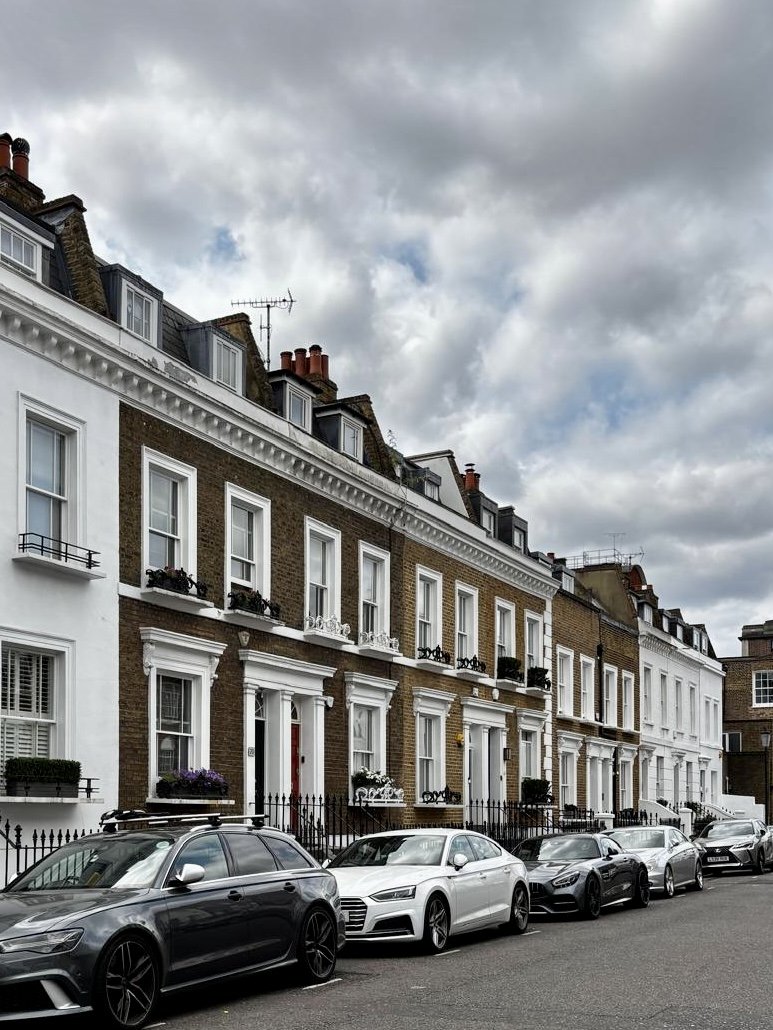
Cope Place, W8 is a quietly tucked-away street just moments south of Kensington High Street, known for its distinctive row of mid-Victorian terraced houses that reflect the period’s emphasis on proportion, craftsmanship, and modest elegance. Originally developed in the mid-to-late 19th century as part of Kensington’s westward expansion, the street retains a strong sense of cohesion, with consistent brick facades, decorative cornicing, and well-balanced fenestration. Its slightly narrower footprint and set-back plots offer a more intimate, residential feel compared to grander neighbouring avenues.
Many homes feature original detailing—arched porches, cast-iron railings, and timber sash windows—while subtle modern interventions have kept the street both functional and historically resonant. Sheltered from through-traffic and framed by mature greenery, Cope Place remains a charming and often-overlooked corner of W8, offering period authenticity in a highly central location.
Five Reasons Buyers Love This Pocket of W8
Architectural Integrity – Conservation status protects original Victorian and Edwardian detail, preserving both aesthetics and capital values.
Lifestyle Convenience – Kensington High Street’s retail, fitness and dining options are a three‑minute stroll, while Holland Park and Kensington Gardens offer 600+ acres of greenery.
Educational Choice – From St Barnabas & St Philip’s to Thomas’s Kensington and Imperial College, the area caters to every stage of education.
Cultural Heritage – Famous former residents stretch from Sir Winston Churchill (Hyde Park Gate) to T.S. Eliot, imbuing the district with creative prestige.
Robust Connectivity – Circle, District and Piccadilly lines, plus A4/M4 access to Heathrow, make local homes practical pied‑à‑terres as well as full‑time dwellings.
For more about this area of W8 please also read our spotlight on Stratford Village.
Thinking of Buying or Selling in W8?
We have bought and sold properties in this beautiful area of W8 for many decades.
For a discreet valuation or off‑market opportunities, please contact us.